
Selling your home this fall isn’t simply about putting a sign in the yard and waiting for buyers.Today’s Kansas City buyers may have more choices, affordability remains important, and

Dated: September 17 2026
Views: 25
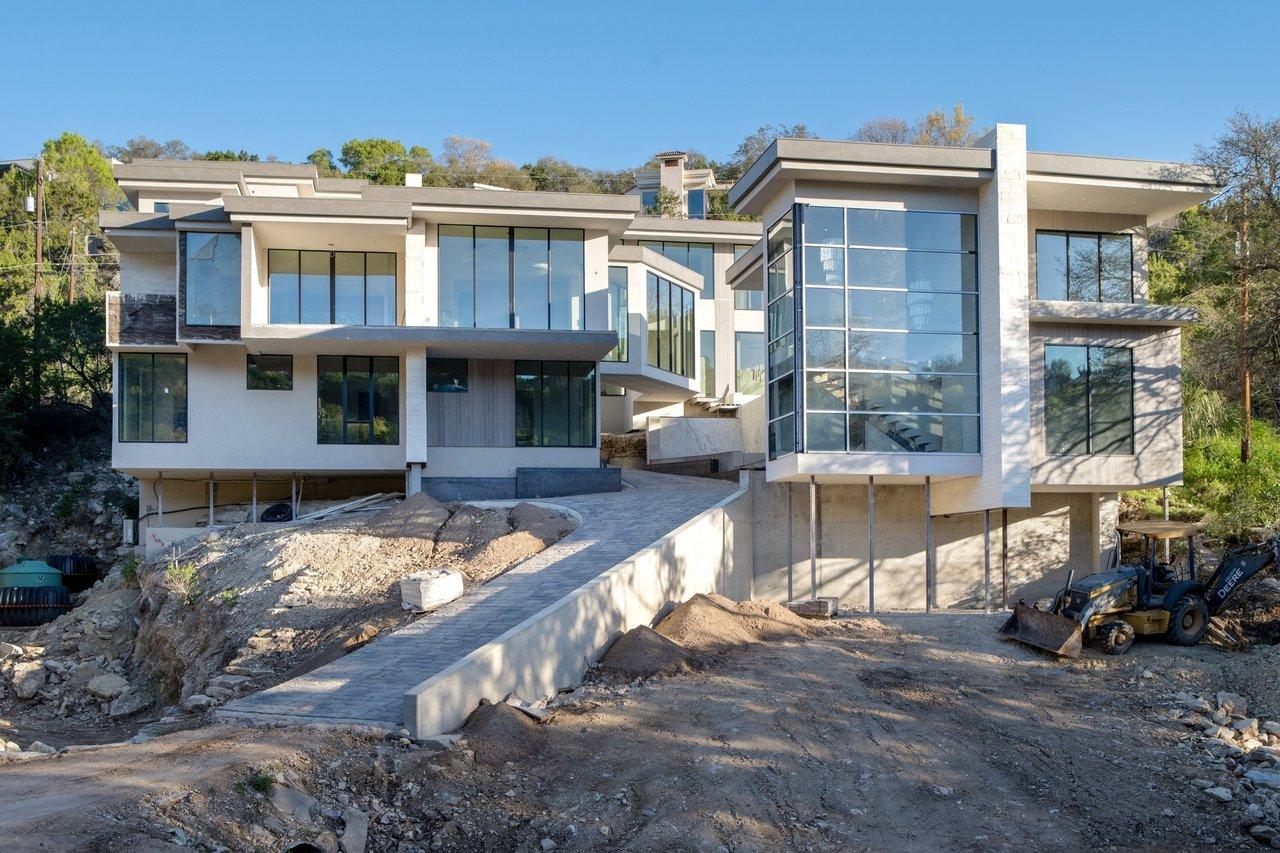
When most buyers picture a luxury home, they probably think about what they can immediately see.
Custom cabinetry. Expansive kitchens. Architectural details. Beautiful flooring. Pools. Outdoor living spaces. Impressive primary suites.
But some of the most valuable features in a luxury home may never appear in a listing photo.
They're hidden behind walls, beneath floors, above ceilings, and inside mechanical rooms.
And they can have a significant impact on how comfortable, efficient, quiet, reliable, and enjoyable a home is to own.
The Institute for Luxury Home Marketing recently highlighted this often-overlooked side of luxury real estate. Insulation, waterproofing, drainage, high-performance windows, mechanical systems, electrical infrastructure, and other hidden features can contribute significantly to a home's performance and ownership experience.
For Kansas City luxury buyers, that distinction matters.
Because two homes can look equally impressive during a showing while being very different underneath the surface.
Beautiful finishes help create the first impression of a luxury home.
Construction quality determines much of what happens after you move in.
Does the second floor stay comfortable during a Kansas City summer?
Are certain rooms noticeably colder during winter?
Can you hear everything happening upstairs from the room below?
Does water drain properly away from the house during a major storm?
Can the home's electrical system comfortably support today's technology and tomorrow's upgrades?
These aren't glamorous questions.
But when you're considering a significant real estate investment, they can be extremely important.
True luxury can be as much about how effortlessly a home functions as how impressive it looks.
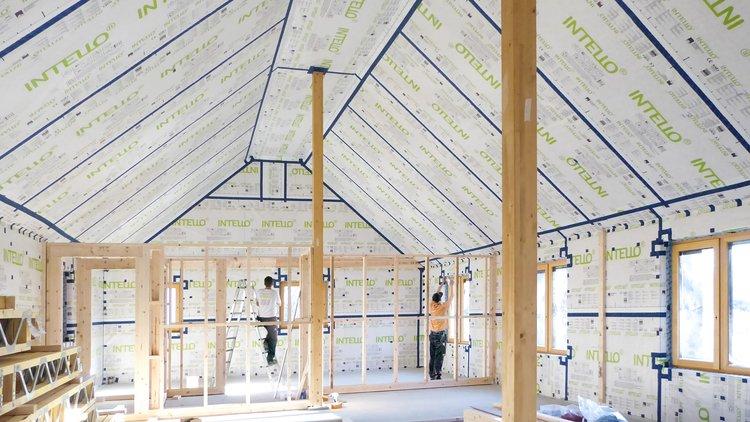
Insulation is probably never going to sell a home based on photography.
But you'll notice its performance.
Superior insulation and thoughtful air sealing can contribute to more consistent temperatures throughout a home while helping its heating and cooling systems operate effectively.
This can become particularly important in a large luxury property.
Kansas City experiences hot summers, cold winters, wind, thunderstorms, and significant temperature swings throughout the year.
A large home with an impressive HVAC system can still struggle with comfort if the building envelope isn't performing properly.
That's why what's inside the walls deserves attention too.
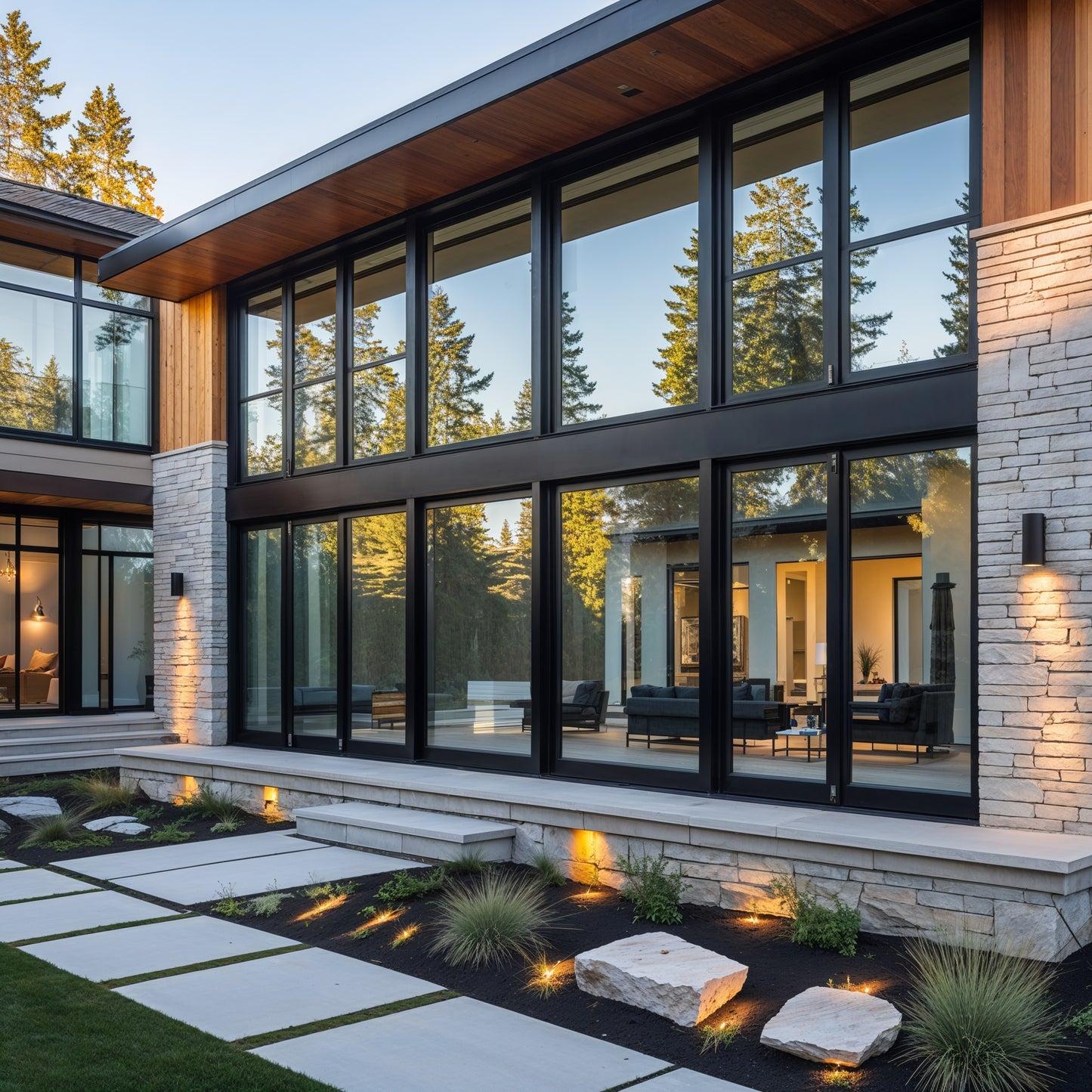
Windows are one of those features you can see, but you don't necessarily see what makes one window perform differently from another.
Glass packages, glazing, installation quality, frame construction, air sealing, and other characteristics can influence energy performance and comfort.
In a luxury home with large expanses of glass, those differences can become even more important.
A wall of windows overlooking a wooded lot, golf course, lake, or pool may be visually spectacular.
But the real question is how that glass performs during a 95-degree summer afternoon or a freezing January morning.
For luxury buyers, windows shouldn't only be evaluated for the view.
Their quality, condition, age, and performance matter too.
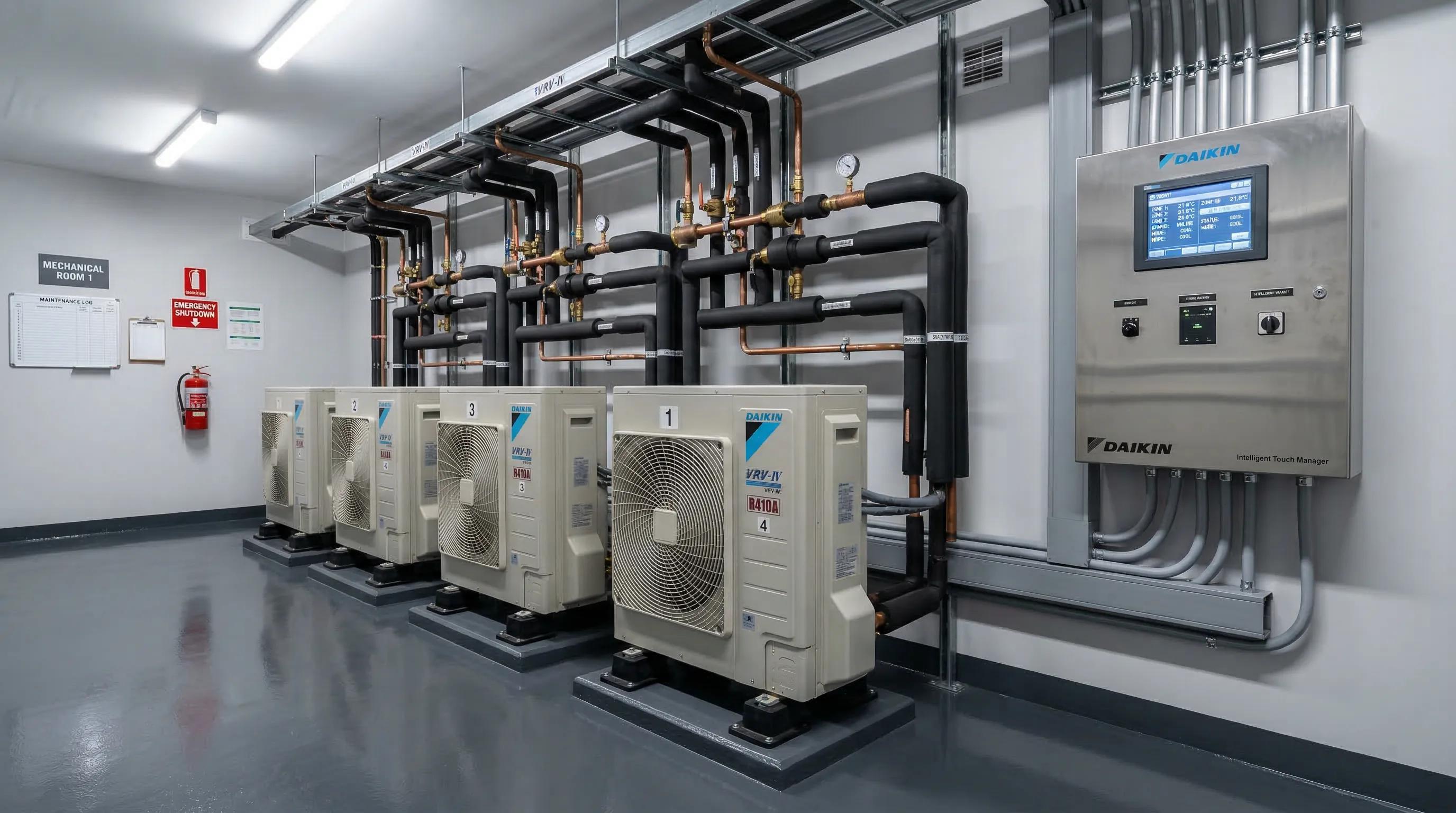
Heating and cooling a 6,000-square-foot property is very different from conditioning a smaller home.
Different floors may receive different amounts of sunlight.
A finished lower level may naturally remain cooler.
Bedrooms may need different temperatures than large entertaining spaces.
Guest areas may not be occupied every day.
That's where zoned heating and cooling can become valuable.
Instead of treating the entire house as one environment, a properly designed system can provide greater control over individual areas.
It's the kind of luxury feature you may barely notice when it's working correctly.
And that's exactly the point.
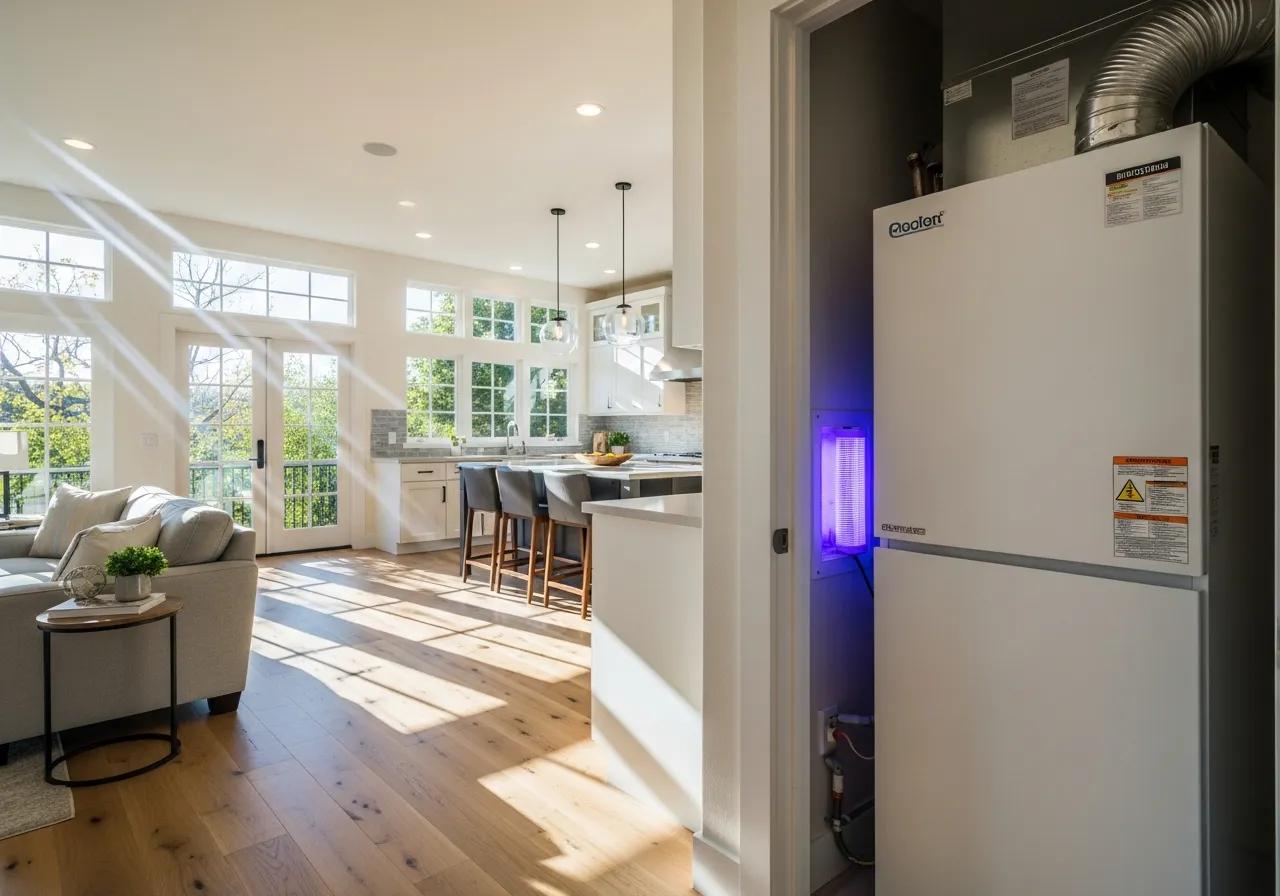
Luxury buyers increasingly think beyond temperature when evaluating indoor comfort.
Air filtration and ventilation can also matter.
Depending on the property, buyers may encounter upgraded filtration, humidity control, fresh-air ventilation, or other whole-home systems.
These features aren't usually showcased in listing photography.
But for someone spending significant time at home, the indoor environment can become part of the overall ownership experience.
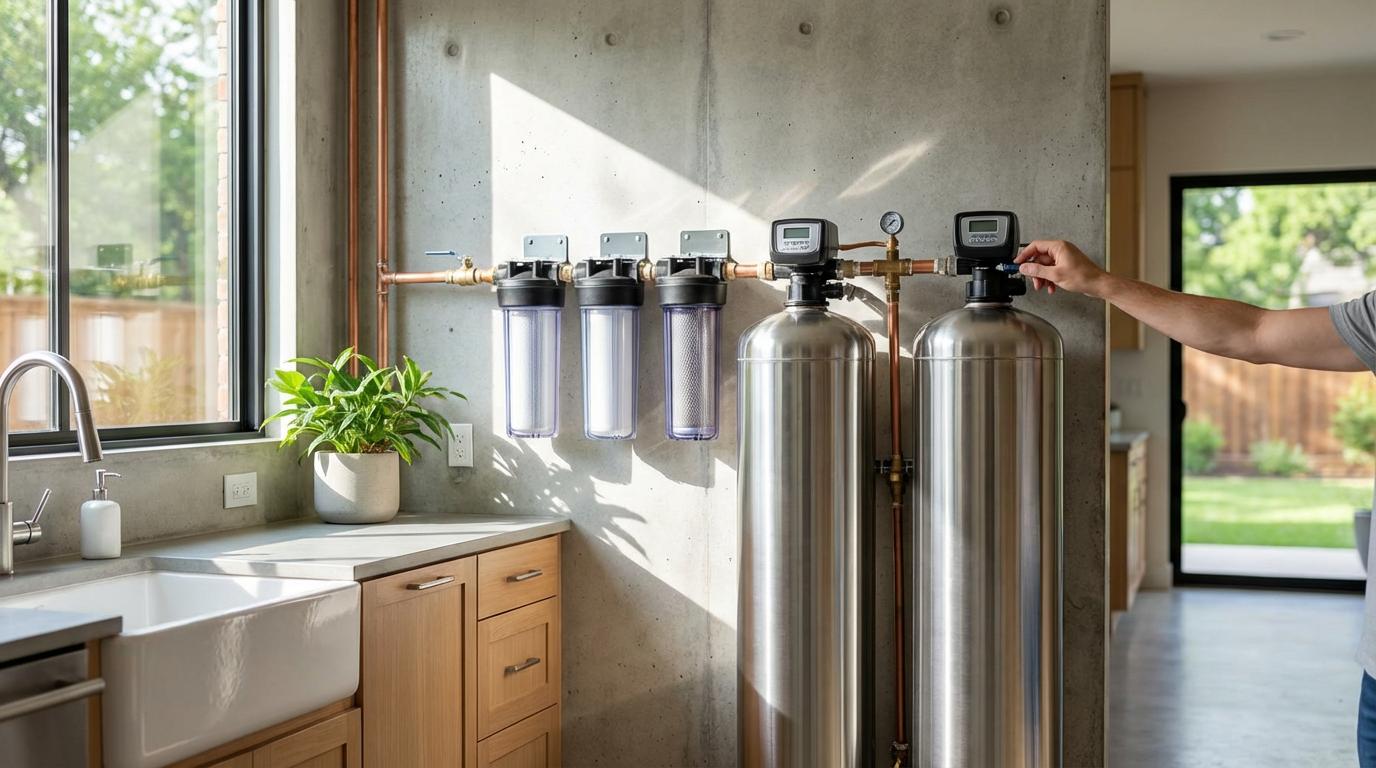
Turn on the faucet and water comes out.
Simple enough.
But luxury homes can have significantly more sophisticated plumbing and water systems behind the scenes.
Whole-home filtration, water conditioning, recirculation systems, thoughtfully designed plumbing, and upgraded equipment can improve everyday convenience.
Hot-water recirculation, for example, can be particularly useful in a large property where a bathroom may be located a significant distance from the water heater.
These aren't necessarily features buyers notice during a 30-minute showing.
They're features owners may appreciate every day.
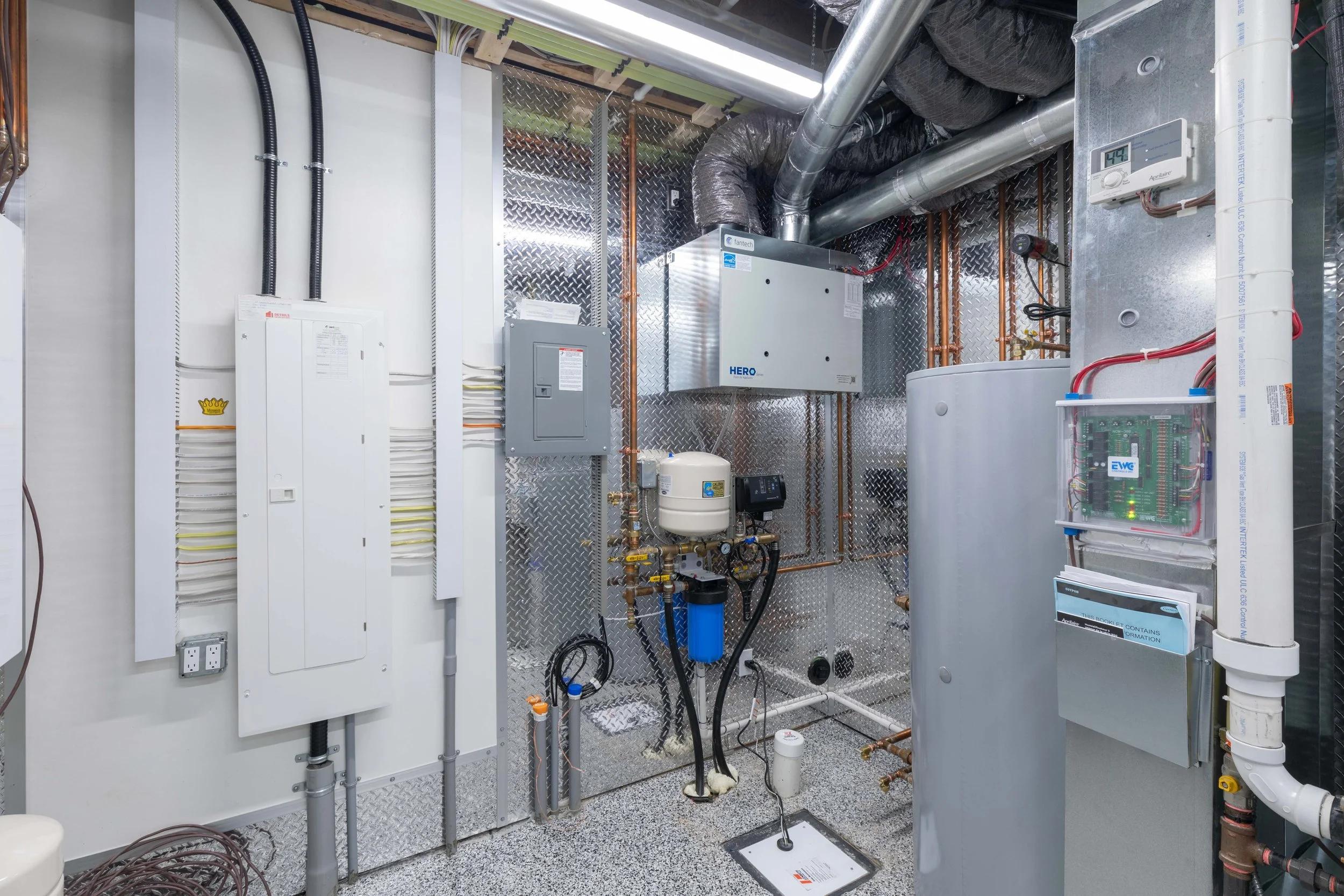
Luxury homes require electricity for far more than lighting and appliances.
Consider everything a modern property might need to support:
That's why buyers should understand not simply what technology a luxury home has today, but whether the infrastructure can support what they may want tomorrow.
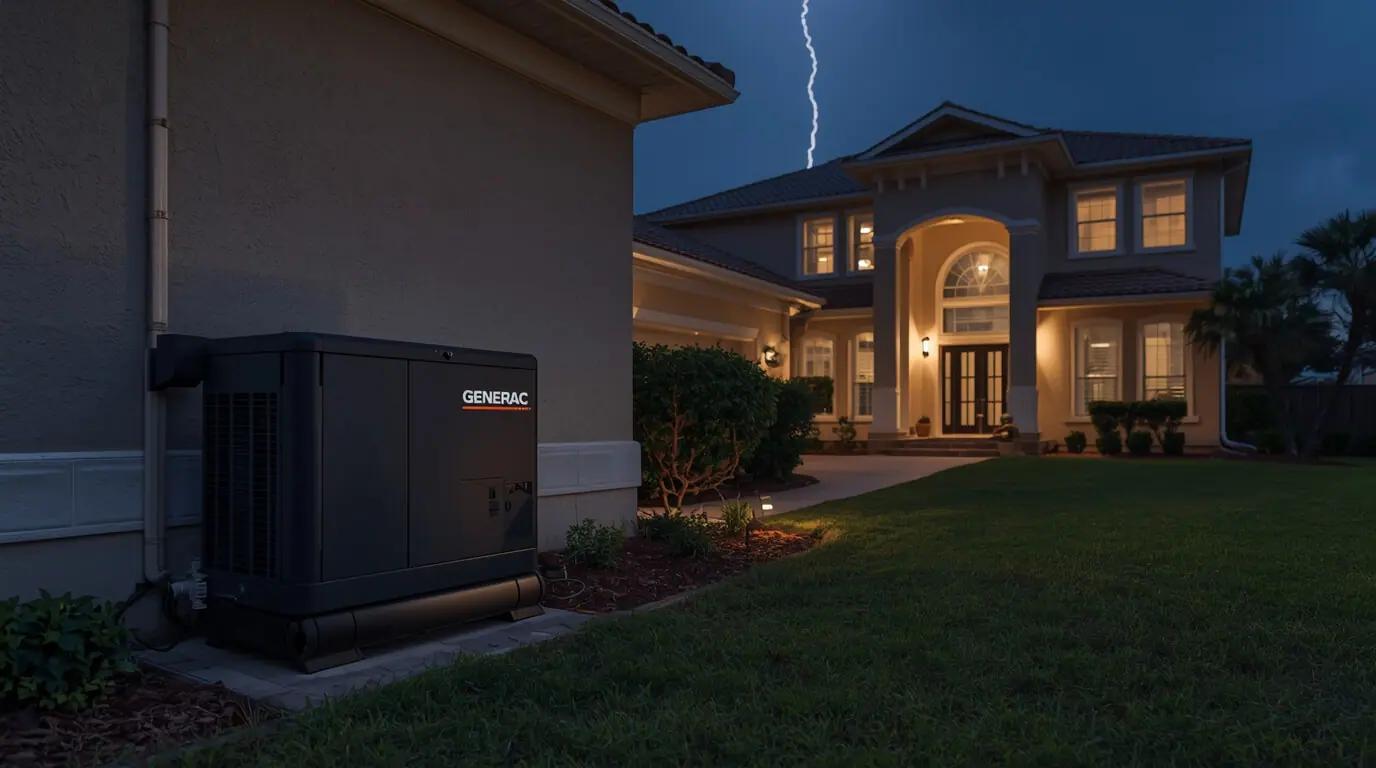
A whole-home generator isn't particularly photogenic.
But when the power goes out, it can suddenly become one of the most appreciated features on the property.
Backup power can be particularly useful for luxury homes with extensive mechanical systems, security equipment, refrigeration, sump pumps, smart-home technology, well equipment, or other systems owners want operating during an outage.
For larger properties, backup power isn't necessarily about convenience alone.
It can also help maintain important home systems during interruptions.
That's a different definition of luxury.
Instead of something designed to impress visitors, it's something designed to reduce disruption for the homeowner.
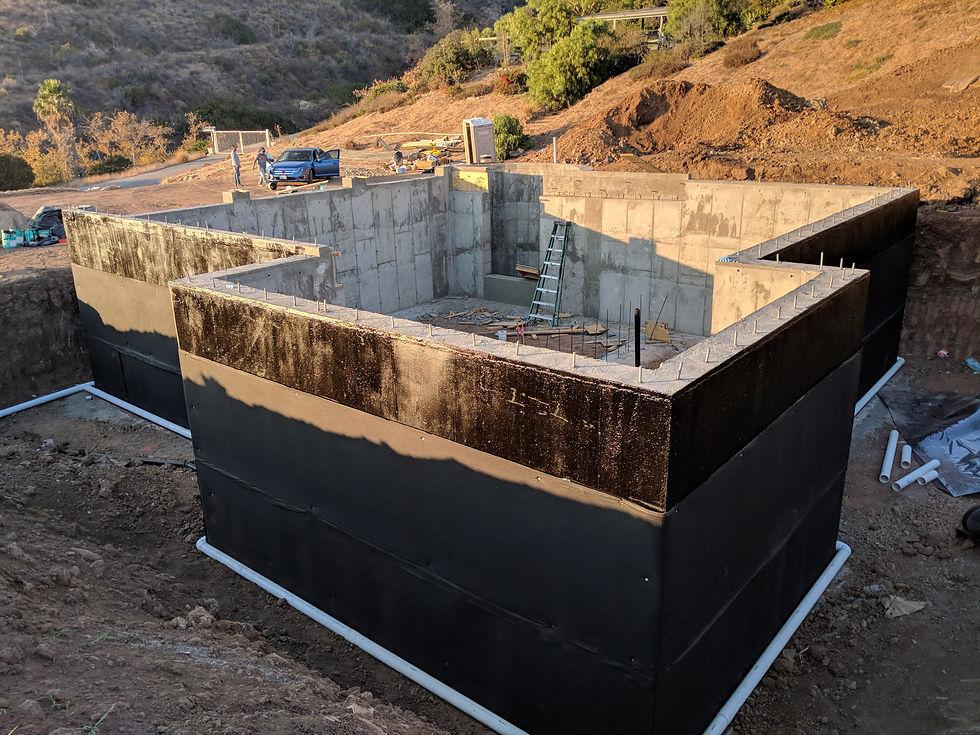
Kansas City buyers understand how quickly a major storm can arrive.
That's why drainage and water management shouldn't be afterthoughts.
Buyers may want to understand how water moves around the property.
Where do downspouts discharge?
How is surface water directed?
Does the lot drain toward or away from the home?
Are there drainage systems around outdoor living spaces?
How is a finished lower level protected?
What systems support a pool or extensive landscaping?
A beautifully finished basement is impressive.
Understanding how that basement stays dry may be even more valuable.
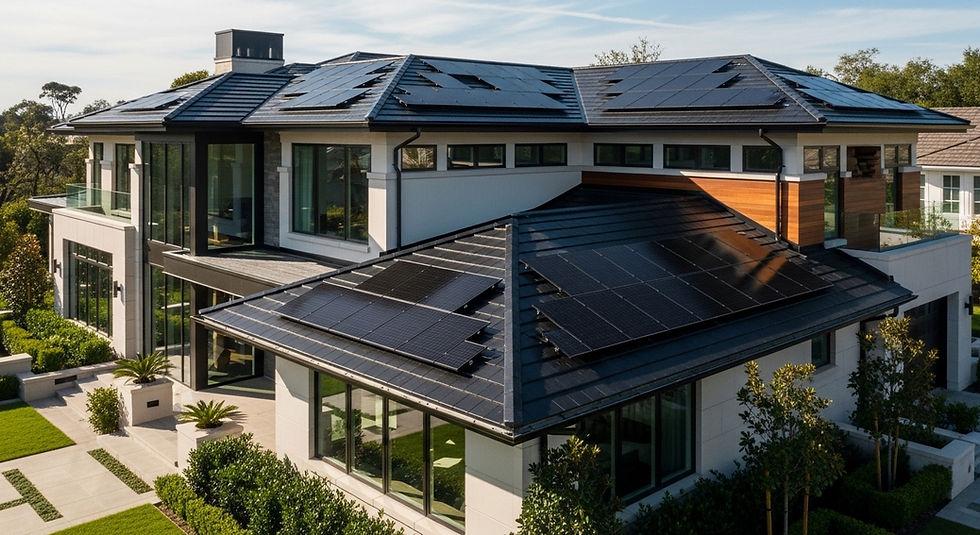
A luxury home's exterior has to do more than look impressive.
It has to protect everything behind it.
Roofing, flashing, gutters, exterior cladding, windows, doors, drainage, and other components collectively form a system designed to protect the structure from the elements.
In Greater Kansas City, that means dealing with heat, cold, wind, rain, hail, snow, ice, and severe weather over the life of the property.
For buyers, knowing the age of the roof is useful.
Understanding the quality and condition of the entire exterior system can be even more informative.
This is another reason inspections and appropriate professional evaluations can be especially important when purchasing a high-value property.
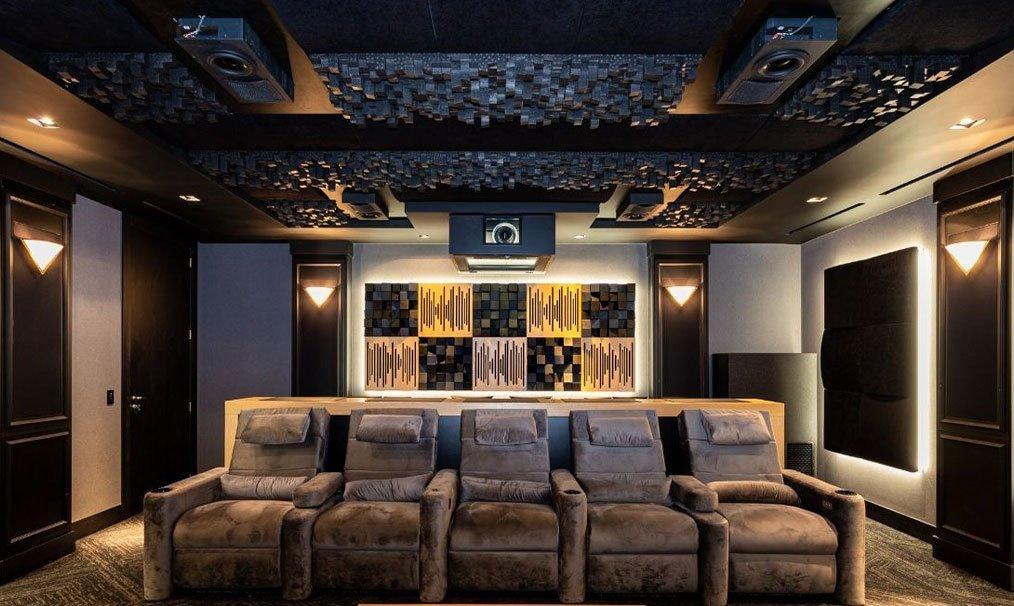
You can't photograph quiet.
But you can experience it.
Acoustic insulation and thoughtful construction can help reduce sound transmission between rooms and floors, creating greater privacy within the home.
That can be particularly valuable in larger households.
Imagine a home theater operating downstairs while someone works in an office above it.
Or guests staying in one wing while homeowners occupy another.
Or children using a recreation room without sound carrying throughout the house.
Luxury isn't always something you see.
Sometimes it's what you don't hear.
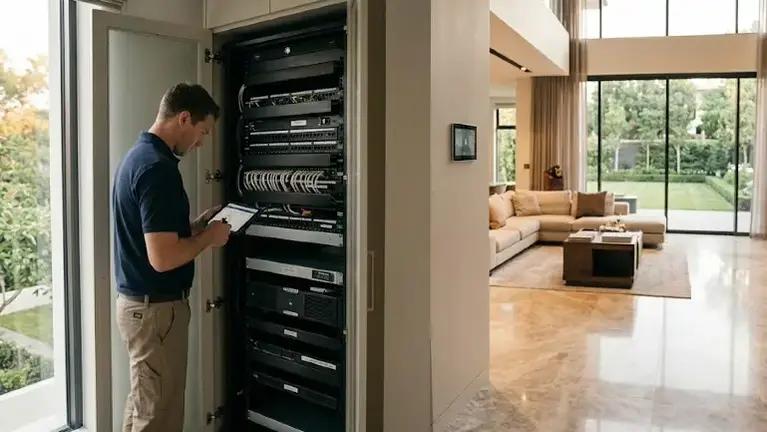
A wall-mounted touchscreen might be the visible part of a smart-home system.
The infrastructure behind it can be far more important.
Structured wiring, network equipment, strategically located access points, dedicated equipment rooms, and provisions for future technology can determine how easily a home adapts as technology changes.
Technology evolves quickly.
A sophisticated system installed several years ago may eventually need updating.
That's why infrastructure designed with flexibility in mind can be particularly valuable.
The best technology infrastructure doesn't lock the home into yesterday's system.
It gives future owners options.
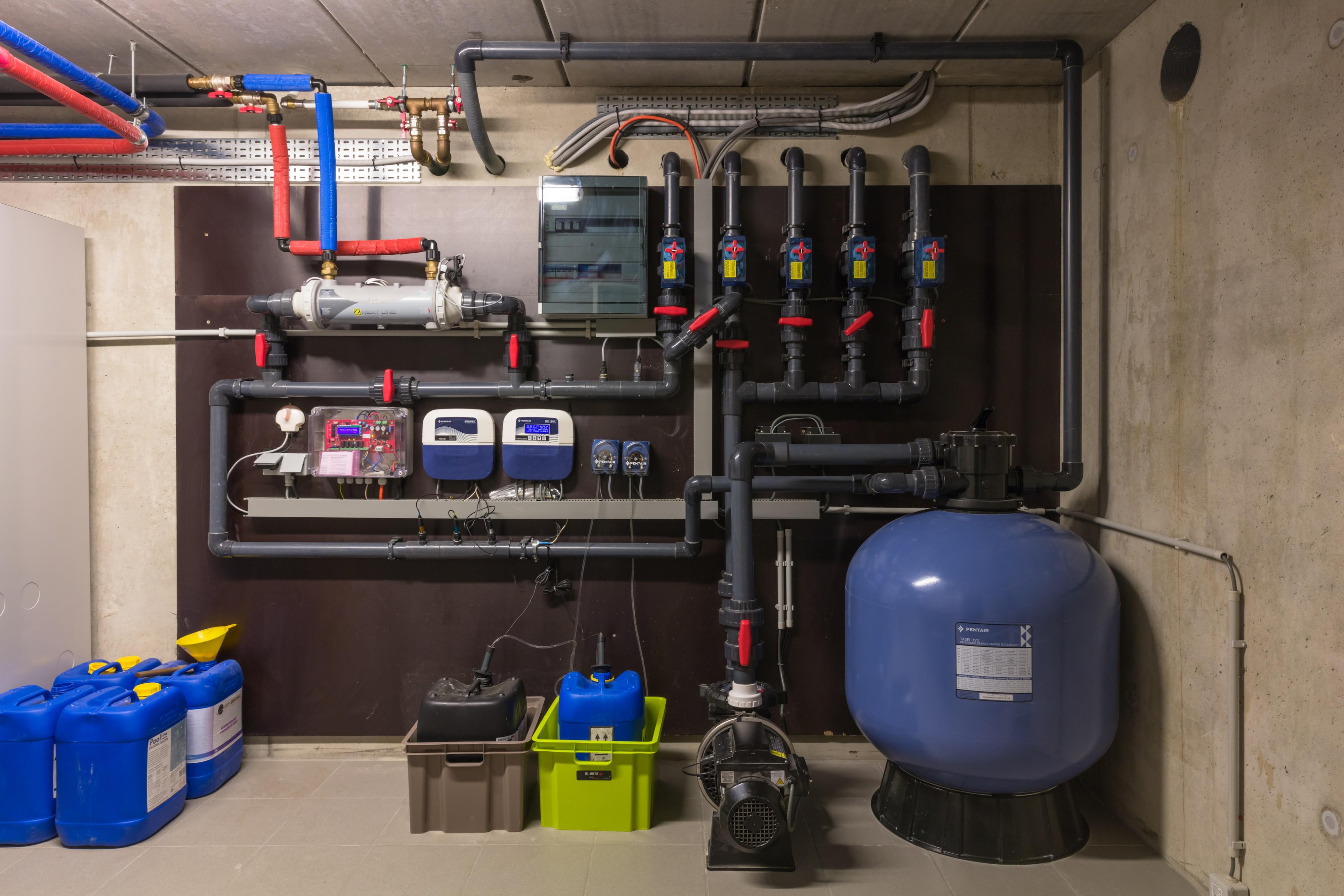
An incredible backyard may appear effortless once everything is finished.
Behind the scenes, it can be surprisingly complicated.
Pools require pumps, filtration, electrical equipment, plumbing, and drainage.
Outdoor kitchens require utilities.
Landscape lighting requires electrical infrastructure.
Irrigation systems need plumbing and controls.
Spas and water features add additional equipment.
So when you're evaluating an elaborate outdoor environment, don't only look at the finished product.
Understanding what's operating behind it can provide valuable insight into ownership and maintenance.
Most buyers don't get excited about walking into a mechanical room.
They probably should pay attention anyway.
A mechanical room can provide clues about the home's systems, maintenance history, complexity, and overall construction.
In a substantial luxury property, you may find multiple HVAC systems, water heaters, filtration equipment, electrical panels, networking equipment, pool systems, backup power equipment, or other specialized components.
You don't need to become an HVAC technician or electrician.
That's what qualified professionals are for.
But understanding what equipment exists, approximately how old it is, and whether maintenance records are available can help buyers ask better questions.

This is an area where luxury sellers can distinguish their property.
If you've invested substantially in things buyers can't easily see, document them.
Useful records might include:
Imagine two otherwise comparable luxury homes.
One seller says:
"We've upgraded a lot of things over the years."
The other can provide organized records showing exactly what was installed, when it was completed, who performed the work, and what warranties remain.
That gives buyers something tangible to evaluate.

If you're preparing a luxury property for sale, don't assume buyers will recognize every investment you've made.
They can't appreciate something they don't know exists.
Create a detailed record of meaningful improvements.
Your marketing shouldn't become a technical manual, but important infrastructure improvements can be translated into benefits buyers understand.
Instead of simply saying "zoned HVAC," explain how it helps provide more precise temperature control throughout a large home.
Instead of simply saying "whole-home generator," explain which portions of the property it is designed to support, based on the system's specifications.
Technical features become much more meaningful when buyers understand how they affect everyday ownership.
When touring a luxury property, enjoy the impressive finishes.
Then start asking questions.
How old are the HVAC systems?
How many zones are there?
How old are the windows?
Has the electrical system been upgraded?
Is there backup power?
Are there water filtration or conditioning systems?
What smart-home infrastructure exists?
What major improvements have been completed?
Are warranties or maintenance records available?
How are the pool and outdoor systems maintained?
What drainage or waterproofing systems protect the property?
And when appropriate, rely on qualified inspectors, contractors, engineers, or other specialists to evaluate systems that require professional expertise.
A real estate showing can introduce you to the property. It shouldn't replace appropriate due diligence.
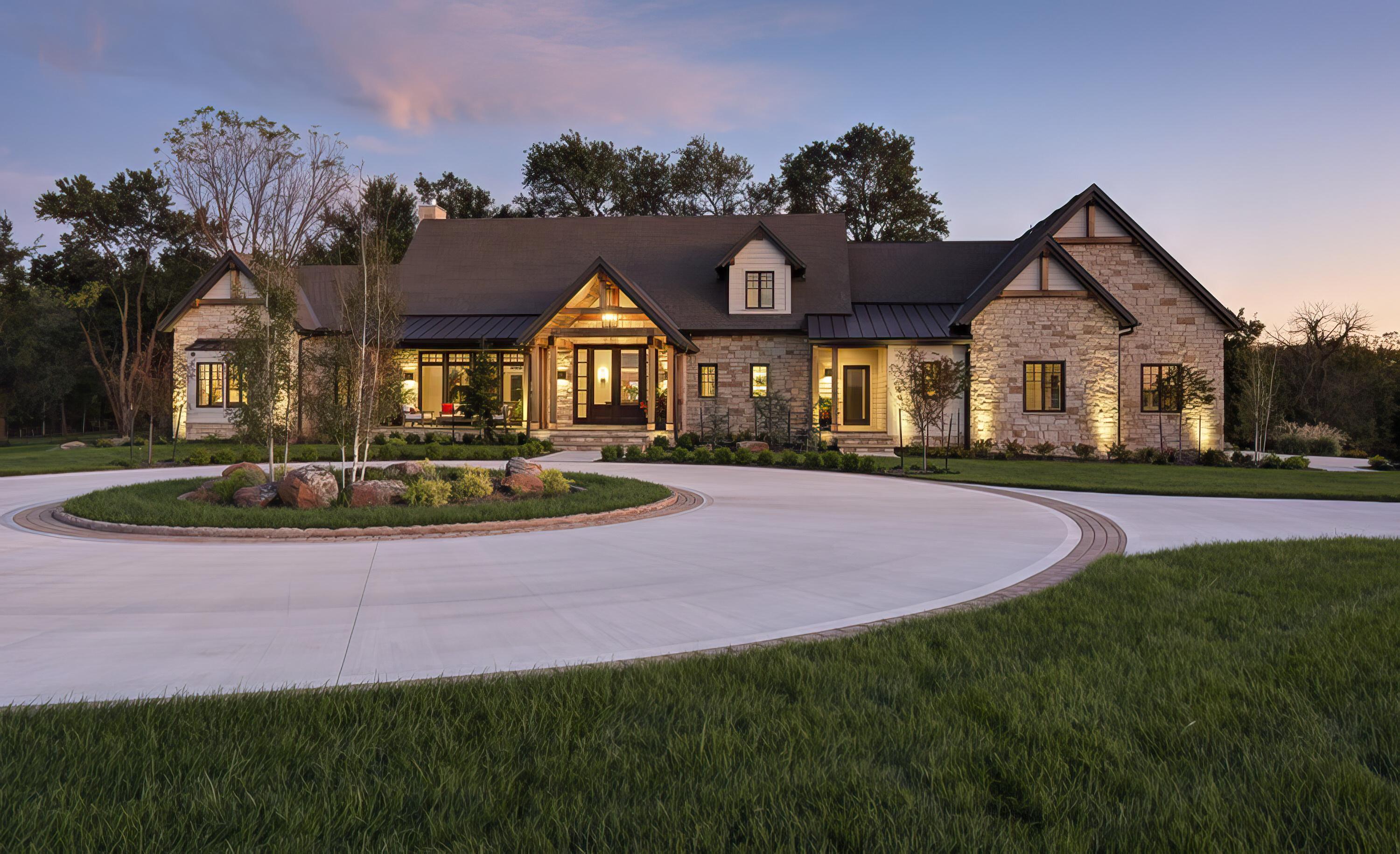
Imagine two Kansas City luxury homes with similar square footage.
Both have beautiful kitchens.
Both have impressive primary suites.
Both have pools.
Both photograph extremely well.
But one has newer zoned HVAC, upgraded windows, substantial insulation, a whole-home generator, updated electrical service, thoughtfully designed drainage, extensive maintenance records, and infrastructure designed for future technology.
The other doesn't.
Those differences might be nearly invisible in the listing photos.
But they can create very different ownership experiences.
A truly well-performing luxury home doesn't constantly remind you about its mechanical systems.
The rooms simply stay comfortable.
The house feels quiet.
The technology works.
Water goes where it's supposed to go.
Outdoor amenities function properly.
Power interruptions create less disruption when appropriate backup systems are present.
And the home's infrastructure quietly supports everything happening above it.
That's an important way to think about luxury real estate.
A home can look beautiful in photographs.
The bigger question is how beautifully it performs after you own it.
Looking for exceptional homes throughout the Greater Kansas City luxury market?
Each week, I highlight luxury properties from around the metro so buyers can explore the architecture, locations, amenities, and features shaping Kansas City luxury real estate.

I’m Jason Rains, a Kansas City real estate agent with REMAX Elite REALTORS and the leader of Your KC Seller Team. I’ve had the opportunity to help over 300 families buy and sell homes across the ....
Selling your home this fall isn’t simply about putting a sign in the yard and waiting for buyers.Today’s Kansas City buyers may have more choices, affordability remains important, and
When most buyers picture a luxury home, they probably think about what they can immediately see.Custom cabinetry. Expansive kitchens. Architectural details. Beautiful flooring. Pools. Outdoor living
There is something different about waking up to water outside your window.Morning coffee on the deck. Taking the boat out after work. Fishing without leaving your neighborhood. Watching the sunset
10 Questions Kansas City New Construction Buyers Should AskBuying a brand-new home comes with a certain expectation.Everything is new, so everything should be right.New roof. New HVAC system. New
 The information displayed on this page is confidential, proprietary, and copyrighted information of Heartland Multiple Listing Service, Inc. (
Heartland MLS
). Copyright 2026, Heartland Multiple Listing Service, Inc. Heartland MLS and KC Seller Team do not make any warranty or representation concerning the timeliness or accuracy of the information displayed herein. In consideration for the receipt of the information on this page, the recipient agrees to use the information solely for the private noncommercial purpose of identifying a property in which the recipient has a good faith interest in acquiring. Data last updated on September 23, 2026 4:08 PM UTC
33. Required DMCA Notice
The Digital Millennium Copyright Act of 1998, 17 U.S.C. §512, the DMCA, provides recourse for copyright owners who believe that material appearing on the Internet infringes their rights under U.S. copyright law. If you believe in good faith that any content or material made available in connection with our website or services infringes your copyright, you (or your agent) may send us a notice requesting that the content or material be removed, or access to it blocked. Notices must be sent in writing by email to DMCAnotice@MLSGrid.com. The DMCA requires that your notice of alleged copyright infringement include the following information: (1) description of the copyrighted work that is the subject of claimed infringement; (2) description of the alleged infringing content and information sufficient to permit us to locate the content; (3) contact information for you, including your address, telephone number and email address; (4) a statement by you that you have a good faith belief that the content in the manner complained of is not authorized by the copyright owner, or its agent, or by the operation of any law; (5) a statement by you, signed under penalty of perjury, that the information in the notification is accurate and that you have the authority to enforce the copyrights that are claimed to be infringed; and (6) a physical or electronic signature of the copyright owner or a person authorized to act on the copyright owners behalf. Failure to include all of the above information may result in the delay of the processing of your complaint.
 All information deemed reliable but not guaranteed. All properties are subject to prior sale, change or withdrawal. Neither listing broker(s) or information provider(s) shall be responsible for any typographical errors, misinformation, misprints and shall be held totally harmless. Listing(s) information is provided for consumer's personal, non-commercial use and may not be used for any purpose other than to identify prospective properties consumers may be interested in purchasing. The data relating
to real estate for sale on this website comes in part from the Internet Data Exchange program of the Multiple Listing Service. Real estate listings held by brokerage firms other than KC Seller Team may be marked with the Internet Data Exchange logo and detailed information about those properties will include the name of the listing broker(s) when required by the MLS. Copyright ©2026 All rights reserved.
Last Updated: September 23, 2026 4:16 PM UTC
Show More...
All information deemed reliable but not guaranteed. All properties are subject to prior sale, change or withdrawal. Neither listing broker(s) or information provider(s) shall be responsible for any typographical errors, misinformation, misprints and shall be held totally harmless. Listing(s) information is provided for consumer's personal, non-commercial use and may not be used for any purpose other than to identify prospective properties consumers may be interested in purchasing. The data relating
to real estate for sale on this website comes in part from the Internet Data Exchange program of the Multiple Listing Service. Real estate listings held by brokerage firms other than KC Seller Team may be marked with the Internet Data Exchange logo and detailed information about those properties will include the name of the listing broker(s) when required by the MLS. Copyright ©2026 All rights reserved.
Last Updated: September 23, 2026 4:16 PM UTC
Show More...
